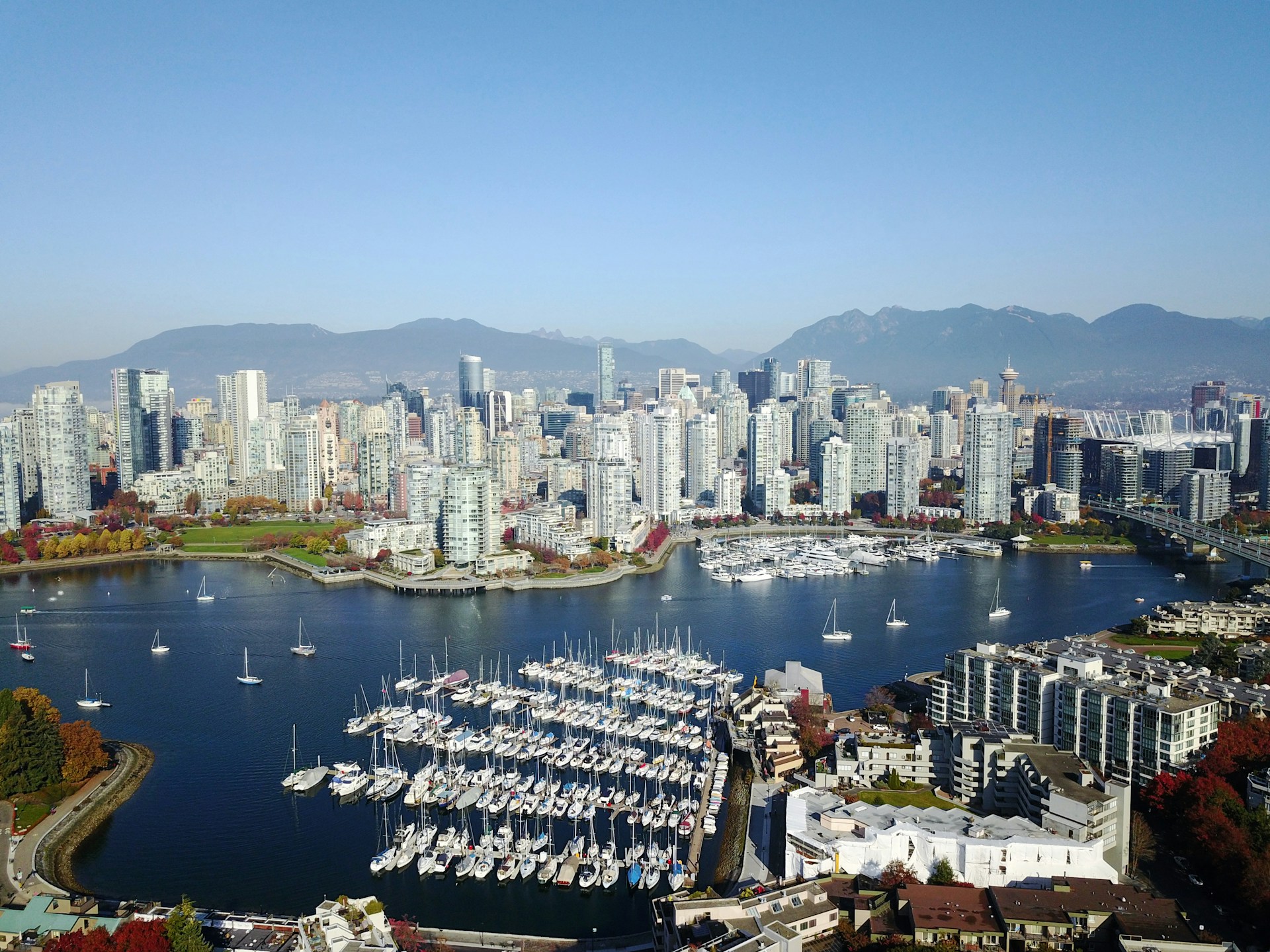
Vancouver is a magnificent cultural haven that makes a fabulous vacation spot. And spring brings a fresh rhythm to Canada’s West Coast. Travelers who visit Vancouver in spring experience blooming parks, active wildlife, lighter crowds, and cool coastal air that makes exploring comfortable. The city shifts from winter rain to vibrant color between March and May, creating an ideal window for sightseeing, outdoor recreation, and seasonal festivals.
For travelers planning a Pacific Northwest getaway, spring delivers balance. It avoids peak summer congestion while still offering long daylight hours, open attractions, and a full calendar of events. Here’s why more travelers choose to visit Vancouver in the spring.
Spring comes early in Vancouver, so plan your vacation between March and May to get the best experience. Don’t forget to pre-book your parking with AirportParkingReservations.com to avoid high parking fees.
Why Visit Vancouver in Spring? Mild Weather and Fewer Crowds
Cherry Blossoms Transform the City
Outdoor Adventures Come Back to Life
Spring Wildlife and Whale Watching
Spring Festivals and Cultural Events
- DOXA Documentary Film Festival
- Local Markets and Food Events
- Granville Island is The Perfect Day Out
Gardens and Green Spaces in Full Bloom
- The VanDusen Botanical Garden
- Stanley Park Gardens
- Abbotsford Tulip Festival: Tulips In Bloom
- Dr. Sun Yat-Sen Classical Chinese Garden
Ski in the Morning, Explore the City by Afternoon
Seasonal Food and Patio Dining
Spring Travel Tips for Visiting Vancouver
Is Spring the Best Time to Visit Vancouver?
Planning Your Spring Departure
Why Visit Vancouver in Spring? Mild Weather and Fewer Crowds
What to Expect From Vancouver Spring Weather
If you thought you’d have to visit Vancouver when the city rivals Antarctica temperatures in order to enjoy winter sports, think again. Spring has the best temperatures for enjoying all outdoor activities that the city and mountains have to offer.
Vancouver spring weather stays mild compared to much of Canada. Average daytime temperatures range from the mid 50s in March to the mid 60s by May. Snow disappears from the city early – although there is still plenty of snow to enjoy in the higher elevations. Gardens bloom and patio season begins.
Rain still appears occasionally, though showers grow lighter as the season progresses. Travelers can walk comfortably without summer heat, making it easier to spend full days outdoors. Those who visit Vancouver in March and April often find the climate ideal for sightseeing without heavy winter layers or peak season heat.
A More Relaxed Travel Experience
Spring sits between winter slowdowns and summer tourism peaks. That timing matters. Visitors encounter:
- Shorter lines at major attractions
- Better hotel availability
- Easier restaurant reservations
- Quieter walking paths in popular parks
For travelers who prefer breathing room while exploring, spring offers a calm but lively atmosphere. Attractions remain open, tours operate regularly, and the city feels active without feeling crowded.
Cherry Blossoms Transform the City
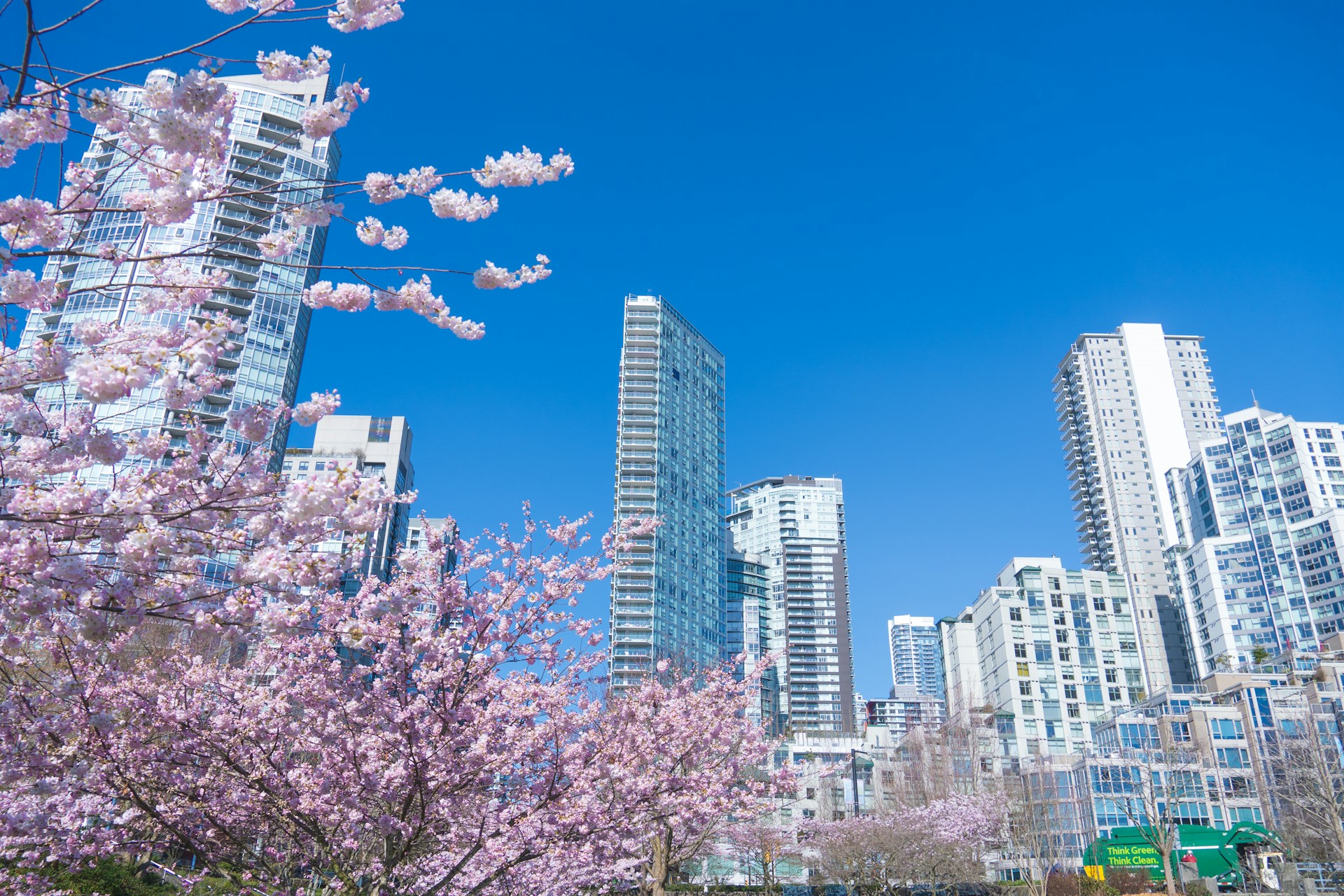
Each year, thousands of cherry trees bloom across Vancouver, painting neighborhoods in soft pink and white. This seasonal display draws photographers, walkers, and festival goers from across North America.
Best Places to See Cherry Blossoms in Vancouver
Travelers who visit Vancouver in spring often plan around blossom season. Peak bloom typically occurs from late March through April. Top viewing locations include:
- Queen Elizabeth Park
- VanDusen Botanical Garden
- Stanley Park
- Residential streets in Kitsilano and the West End
- Each setting offers a different backdrop, from skyline views to quiet neighborhood strolls.
Vancouver Cherry Blossom Festival
The Vancouver Cherry Blossom Festival celebrates the bloom with guided walks, cultural performances, and community events. The festival highlights the city’s ties to Japanese heritage while encouraging residents and visitors to appreciate seasonal beauty.
Beyond blossom viewing, the Vancouver Cherry Blossom Festival hosts guided walks, live performances, art installations, and educational programs. Events take place across the city, allowing visitors to experience different neighborhoods while celebrating the season.
Travelers planning to visit Vancouver in the spring can align their trip with festival dates and gain access to both natural displays and organized events.
Outdoor Adventures Come Back to Life
As temperatures rise, outdoor recreation returns to center stage. Locals head back to trails, waterfront paths, and mountain viewpoints.
Kayaking and Paddleboarding
Calmer spring waters attract kayakers and paddleboarders to English Bay and False Creek. Rental shops reopen for the season, giving visitors easy access to waterfront activities. Exploring the shoreline from the water offers a different perspective of Vancouver’s skyline.

You haven’t truly seen Vancouver until you’ve kayaked English Bay or False Creek. The juxtaposition of the sprawling city amidst the mountains is a sight to behold, and it can only be done from the water. During the spring months, you can even watch some of the migrating orca or humpback whales from your canoe or spot a menagerie of other wildlife like otters, seals and eagles.
Situated along Vancouver’s west end, English Bay offers paddlers a chance to navigate the open waters of the Pacific Ocean. The bay is known for its beautiful beaches, including the popular English Bay Beach. Kayakers can launch from various points along the shoreline and explore the bay’s clear waters. English Bay is often frequented by both locals and tourists, and paddlers may encounter diverse marine life while enjoying the panoramic views of the city and the North Shore Mountains.
False Creek, located closer to the heart of Vancouver, is an inlet that separates downtown Vancouver from the rest of the city. Kayaking in False Creek provides a unique perspective of the cityscape, including iconic landmarks such as Science World and the Vancouver skyline. Paddlers can navigate the protected waters of False Creek, making it an ideal location for beginners. The creek also offers convenient access to Granville Island, a vibrant hub known for its markets, shops, and dining options.
Hiking and Nature Trails
Several trails become especially inviting during spring:
- Grouse Mountain offers scenic hikes with panoramic views of the city and ocean.
- Capilano Suspension Bridge Park combines forest walks with elevated bridge crossings.
- Pacific Spirit Regional Park provides quiet woodland trails near the University of British Columbia.
- Spring wildflowers begin to bloom along lower elevation trails, adding color to forest paths.
Biking the Seawall
The Vancouver Seawall ranks among the city’s most popular outdoor routes. In spring, cyclists and walkers enjoy moderate temperatures while circling Stanley Park or riding along False Creek. The ocean breeze stays crisp, yet conditions remain comfortable for extended rides.
Spring Wildlife and Whale Watching
Spring signals migration season along British Columbia’s coast. Wildlife tours resume regular departures, drawing travelers eager to experience marine life.
Whale Watching Season
Late March is the official beginning of whale watching season and there’s no better time to see gray whales or orcas close-up. Whale watching tours operate frequently where visitors may spot orcas, humpback whales, gray whales, and harbor seals. Coastal waters become more active during migration, increasing the chance of sightings.
Those visiting Vancouver in spring often combine city exploration with half day marine tours for a well rounded itinerary.

Warmer weather and mating season makes for more active wildlife during the temperate spring months and Vancouver tour guides are quite adept at getting up close and personal with the migrating animals, (along with a variety of other sea life and birds,) which almost guarantees you’ll capture some great moments.
Whale watching in Vancouver is a captivating maritime experience that allows visitors to witness the majesty of these marine giants in their natural habitat. Vancouver offers excellent opportunities for whale watching due to its proximity to the Pacific Ocean. Several tour operators in the region provide guided excursions, taking participants on boat trips to prime locations where whales and other marine wildlife are commonly spotted.
The most common whale species encountered during these excursions include orcas, humpback whales, gray whales, and minke whales. The tours not only offer the chance to observe these magnificent creatures but also provide educational insights into their behavior, migration patterns, and conservation efforts.
These whale watching tours typically operate seasonally, with peak times varying depending on the species. Spring and summer months are often ideal for orca and humpback sightings, while gray whales are more commonly observed during their migration periods. The scenic backdrop of the coastal mountains and tail slaps make whale watching in Vancouver a memorable adventure for nature lovers and wildlife enthusiasts.
Bird Migration and Wildlife Viewing
Spring also attracts migratory birds to local wetlands and parks. Birdwatchers head to Stanley Park, Boundary Bay, and Reifel Bird Sanctuary to observe seasonal species. Wildlife activity adds another layer to the city’s outdoor appeal.
Spring Festivals and Cultural Events
Spring gives the city fresh energy. Travelers visiting Vancouver in spring find more than scenery. They find community events, film screenings, and outdoor markets that reflect the city’s cultural mix.
DOXA Documentary Film Festival
The DOXA Documentary Film Festival takes place each May. It spans 10 days and showcases dozens of ground-breaking international and Canadian films that are sure to change lives. Screenings occur at various venues throughout the city, drawing filmmakers, critics, and audiences interested in independent cinema. Spring visitors gain access to cultural programming that rivals larger metropolitan centers.

If you are a truth seeker and love documentaries, you’ll want to head to Vancouver this spring for the DOXA Documentary Film Festival. DOXA, which means “truth” in Greek, has established itself as one of the premier documentary film festivals in North America, celebrating the art of non-fiction storytelling.
The festival usually features a diverse selection of documentaries that cover a wide range of subjects, including social issues, environmental concerns, cultural explorations, and personal narratives. Filmmakers, both new and established, have the opportunity to showcase their work to a diverse and engaged audience.
DOXA often includes filmmaker Q&A sessions, panel discussions, and special events, providing attendees with a deeper understanding of the films and the issues they explore. The festival contributes to the vibrant cultural scene of Vancouver, fostering dialogue and reflection on important local and global issues.
Local Markets and Food Events
Seasonal produce returns, seafood vendors highlight fresh catches, and outdoor seating areas begin to fill. Smaller neighborhood markets also reopen, offering handmade goods, baked items, and regional specialties.
For travelers who enjoy combining sightseeing with food experiences, spring delivers variety without summer congestion.
Granville Island is The Perfect Day Out
Granville Island Public Market becomes especially lively in spring. Granville Island is a dynamic neighborhood celebrated for its vibrant Public Market, showcasing an array of food vendors and artisan shops. The market offers fresh produce, gourmet delights, and handcrafted items, creating a sensory-rich experience for visitors.

Adjacent to the market, Granville Island’s cultural scene thrives with artisan galleries, theaters like the Granville Island Theatre and Arts Club Theatre Company, and the creative ambiance of Emily Carr University of Art + Design.
The island’s atmosphere is further enlivened by street performers, offering entertainment along its lively streets. Granville Island Brewing adds to the neighborhood’s charm, providing a taste of Vancouver’s craft beer culture.
Families can enjoy the Granville Island Water Park, while diverse dining options, waterfront views, and easy access via Aquabus or ferry complete the island experience. Throughout the year, Granville Island hosts events and festivals, making it a dynamic spot where art, culture, and culinary delights converge, offering a unique and enriching urban escape in Vancouver.
Gardens and Green Spaces in Full Bloom
Few cities match Vancouver’s access to nature. When spring arrives, green spaces shift from muted winter tones to layered color.
VanDusen Botanical Garden
VanDusen Botanical Garden features thousands of plant species from around the world. Spring brings tulips, magnolias, rhododendrons, and cherry blossoms into bloom. Walking paths wind through themed gardens, ponds, and manicured lawns that showcase horticultural diversity.

VanDusen Botanical Garden spans 55 acres and is renowned for its diverse plant collections from around the world. The garden showcases themed areas such as an Elizabethan hedge maze, a Korean pavilion garden, and an alpine garden, creating a harmonious blend of natural beauty and artistic expression with sculptures and art installations scattered throughout.
Visitors can explore vibrant floral displays in spring, featuring cherry blossoms and rhododendrons, while the Medicinal Plant Garden educates on the historical and contemporary uses of plants for medicinal purposes.
The garden’s Visitor Center serves as a starting point for exploration, offering educational resources, a gift shop, and a café. VanDusen actively engages the community through events, workshops, and educational programs, fostering a connection between visitors and the botanical world.
Additionally, the garden plays a role in plant conservation efforts, contributing to global initiatives to protect endangered plant species. VanDusen Botanical Garden stands as a serene and educational oasis within Vancouver, appealing to nature enthusiasts, gardeners, and those seeking a peaceful retreat.
Visitors who plan to visit Vancouver in spring often schedule at least half a day here to appreciate seasonal color.
Stanley Park Gardens
Stanley Park combines forest, waterfront, and cultivated garden spaces. The rose garden begins to awaken in late spring, while wooded trails offer cool shade and coastal views. The park’s scale allows travelers to spend hours cycling, walking, or relaxing without leaving city limits.

Stanley Park is the ecological pride and joy of Vancouver. The pristine, 1,000-acre park is home to various family activities, including Canada’s largest aquarium and multiple beaches, as well as hiking trails and many opportunities to learn about the indigenous life via tours given at the nature house. This picturesque park is best enjoyed late March-April when the roses are blooming and the wildlife is active.
The park’s sandy beaches, such as Second Beach and Third Beach, offer a serene escape with vistas of the ocean and mountains. Trails wind through lush forests, accommodating hikers of all levels, while horse-drawn carriage tours provide a leisurely exploration option.
The historic Stanley Park Pavilion houses a restaurant and tea room, inviting visitors to savor a meal amid natural beauty. Prospect Point, at the park’s northern tip, provides panoramic views of the Lions Gate Bridge and Burrard Inlet. Lost Lagoon, a freshwater lagoon at the entrance, attracts birdwatchers with diverse avian species.
Stanley Park remains a hub of natural and cultural significance, epitomizing Vancouver’s harmonious blend of outdoor recreation, scenic landscapes, and indigenous heritage. Whether strolling along the Seawall or exploring the trails, Stanley Park offers an enriching experience for all who seek a balance of nature and urban charm.
Abbotsford Tulip Festival: Tulips In Bloom
This non-traditional festival is open only from April to May and showcases the most stunning array of colorful tulips. This beautiful sight is only a short drive from Vancouver, but will make you feel as though you’ve been transported to a whole new continent!

The Abbotsford Tulip Festival, an eagerly anticipated annual event in the Fraser Valley, transforms the landscape into a kaleidoscope of colors each spring. This spectacle draws visitors to acres of meticulously arranged tulip fields, providing a breath-taking backdrop for leisurely strolls and vibrant photo opportunities.
Beyond the beautiful floral displays, the festival features a range of activities, from family-friendly entertainment to live music and tempting food vendors, creating a joyous celebration of spring’s arrival.
Attendees often have the chance to bring a piece of the experience home by purchasing tulip bulbs, making the Abbotsford Tulip Festival a cherished tradition that beautifully encapsulates the region’s agricultural richness and the spirit of seasonal renewal. For those seeking a captivating celebration of nature and changing seasons, this annual festival remains a must-visit destination.
Dr. Sun Yat-Sen Classical Chinese Garden
Located in Chinatown, this classical garden provides a quiet counterpoint to the surrounding streets. Spring growth enhances the balance of rock, water, and plant life that defines traditional Chinese garden design. It serves as a peaceful stop between urban exploration.
Ski in the Morning, Explore the City by Afternoon
One advantage of visiting in spring lies just beyond downtown. Mountain resorts remain open into early spring, allowing travelers to combine snow sports with city activities in a single day.
Grouse Mountain, Cypress Mountain, and Mount Seymour sit within short driving distance of the city center. On clear spring days, visitors can ski or snowboard in the morning, then return downtown for waterfront dining in the afternoon.
This contrast defines why many travelers choose to visit Vancouver in spring. Few destinations allow snow capped peaks and blooming gardens to coexist within the same itinerary.
Seasonal Food and Patio Dining
As temperatures climb, restaurants reopen patios and expand seasonal menus. Spring seafood takes priority, especially Pacific salmon and spot prawns when in season. Chefs incorporate local produce such as asparagus, fiddleheads, and early berries.
Neighborhoods like Gastown, Yaletown, and Kitsilano see increased foot traffic as outdoor seating fills. Travelers enjoy ocean views, mountain backdrops, and fresh coastal flavors without the peak season wait times common in July and August.
Food focused visitors visiting Vancouver in the spring often find it easier to secure reservations at popular dining spots while still experiencing vibrant atmosphere.
Spring Travel Tips for Visiting Vancouver
What to Pack
Spring weather can shift within a single day. Pack light layers, a waterproof jacket, comfortable walking shoes, and sunglasses. Mornings may feel cool, while afternoons warm quickly. Preparing for light rain ensures flexibility.
Best Months to Visit Vancouver in Spring
March offers early blossoms and fewer visitors. April brings peak cherry blossom displays. May delivers warmer temperatures and longer daylight hours. Each month provides a slightly different version of the season, allowing travelers to choose based on priorities.
Getting Around the City
Public transportation includes buses, SkyTrain lines, and SeaBus connections. Many central neighborhoods remain walkable, especially downtown and along the seawall. Renting a car helps access mountain viewpoints, suspension bridges, and regional parks.
Is Spring the Best Time to Visit Vancouver?
Travelers often compare seasons before booking a trip. Summer brings longer days and major festivals. Winter attracts snow sports enthusiasts. Fall offers colorful foliage and quieter streets. Yet many experienced visitors choose to visit Vancouver in spring for balance.
Spring combines comfortable temperatures, open attractions, and active outdoor experiences without peak season congestion. Hotel rates often sit below summer highs. Restaurant reservations remain accessible. Major parks feel lively but not crowded.
When travelers visit Vancouver in spring, they gain flexibility. They can hike forest trails without overheating, photograph cherry blossoms in full bloom, watch whales along the coast, and still secure tables at sought after restaurants.
Summer increases foot traffic across Stanley Park and downtown. Winter limits certain outdoor activities. Spring avoids both extremes. It delivers vibrant scenery while maintaining manageable visitor numbers.
For travelers prioritizing nature, seasonal events, and outdoor access, spring presents strong value. The city feels energized yet navigable. Gardens bloom, wildlife returns, and patios reopen across waterfront neighborhoods.
Sample 3 Day Spring Itinerary
To bring the season into focus, here is how a three day visit Vancouver in spring itinerary might unfold.
Day One: Blossoms and Waterfront Views
Start the morning at Queen Elizabeth Park to see cherry blossoms at peak bloom. Continue to VanDusen Botanical Garden for layered floral displays. In the afternoon, walk or bike the Stanley Park Seawall. Finish the evening with dinner in Yaletown or Gastown, taking advantage of reopened patios.
Day Two: Mountains and Marine Life
Head to Grouse Mountain for spring hiking or late season skiing. After returning to the city, join a whale watching tour departing from the harbor. Spend the evening browsing Granville Island Public Market for local seafood and artisan goods.
Day Three: Culture and Neighborhood Exploration
Visit the Dr. Sun Yat-Sen Classical Chinese Garden in the morning. Explore Chinatown and Gastown on foot. If traveling in May, attend a screening at the DOXA Documentary Film Festival. Close the trip with sunset views along English Bay.
This type of schedule allows travelers to combine seasonal highlights with iconic attractions in a short timeframe.
Planning Your Spring Departure
A smooth trip begins before arrival. Securing airport logistics in advance removes last minute stress and allows travelers to focus on planning activities.
Airport Parking Reservations helps travelers research, compare, and book parking across major US airports before departure. Reserving a space ahead of time keeps the focus on the journey ahead, not on searching for last minute availability.
When travelers plan to visit Vancouver in spring, preparation ensures they maximize every hour in the city.
Final Thoughts: Why Travelers Choose to Visit Vancouver in Spring
Spring reshapes Vancouver into a city defined by color, movement, and fresh coastal air. Cherry blossoms line residential streets. Mountains hold traces of snow. Waterfront paths fill with cyclists and walkers. Whale watching boats return to open water.
For travelers seeking mild weather, outdoor access, seasonal festivals, and manageable crowds, spring stands out. It offers variety without excess, activity without congestion.
People visiting Vancouver in spring often return for other seasons, yet many find this shoulder period delivers the most balanced experience. It provides room to move, time to linger, and opportunities to experience both city life and surrounding nature within a single trip.
Frequently Asked Questions
The best time to visit Vancouver in spring is from late March through May. Late March and April offer peak cherry blossom season, while May brings warmer temperatures and longer daylight hours. Travelers who want blooming gardens and fewer crowds often choose April, while those seeking more stable weather prefer May.
Spring weather in Vancouver remains mild compared to most of Canada. Daytime temperatures typically range from the mid 50s in March to the mid 60s by May. Light rain showers are common early in the season, though conditions grow drier as summer approaches. Packing layers and a waterproof jacket allows visitors to stay comfortable.
Yes, cherry blossoms bloom across Vancouver each spring. Peak bloom usually occurs between late March and mid April. Popular viewing locations include Queen Elizabeth Park, VanDusen Botanical Garden, and Stanley Park. The Vancouver Cherry Blossom Festival also celebrates the season with cultural events and guided walks.
Spring provides ideal conditions for outdoor activities. Hiking trails reopen at lower elevations, the Stanley Park Seawall attracts cyclists, and kayak rentals resume along the waterfront. Whale watching tours also begin regular departures in April, giving visitors the opportunity to see orcas and humpback whales.
Spring is considered a shoulder season. Visitor numbers increase compared to winter but remain below peak summer levels. Attractions stay open, restaurant reservations are easier to secure, and popular parks feel active without heavy congestion.
Yes, nearby mountain resorts such as Grouse Mountain and Cypress Mountain often remain open into early spring. On clear days, visitors can ski or snowboard in the morning and return to the city for sightseeing in the afternoon.
If you need more ideas for your Spring Break vacation, be sure to check out our other favourite places to visit this Spring.
And if you’re thinking of traveling during this period, why not take a look at our Spring Break deals and coupons to see if you can save yourself some money.
Main image: Lee Robinson – Unsplash